

Water mitigation, defined
Water mitigation is the set of actions taken after a leak or flood to limit how much of a building gets damaged. It starts with stopping the source and removing standing water. It continues with drying the structure and protecting what has not yet been harmed. The word mitigation means reducing harm, and in water damage work it means keeping a small problem from becoming a large one.
People often use mitigation and restoration as if they meant the same thing. They do not. Mitigation is the emergency and drying phase. Restoration is the rebuilding phase that follows, when damaged drywall, flooring and finishes are repaired or replaced. A single company may do both, but the work is separate and so is the paperwork.
Why the first hours matter so much
Water does not stay where it lands. It wicks up drywall, soaks into carpet pad and runs along framing to places you cannot see. Materials that stay wet begin to deteriorate within a day or two, and mold can begin to grow in the same window. Federal mold guidance from the EPA recommends drying wet materials within 24 to 48 hours.
Knowing what to do in those first hours is the whole point of mitigation. That is the reason it is urgent in a way that repairs are not. A hole in drywall can wait a week. A wet wall cavity cannot. Every hour of delay adds more wet material, more drying time and a higher chance that something has to be torn out instead of dried.
The steps of a mitigation job
A typical mitigation job follows a fixed order. Each step sets up the next, and skipping one tends to cause trouble later.
- Stop the source. A shutoff valve is closed, a roof opening is tarped or a failed appliance is isolated.
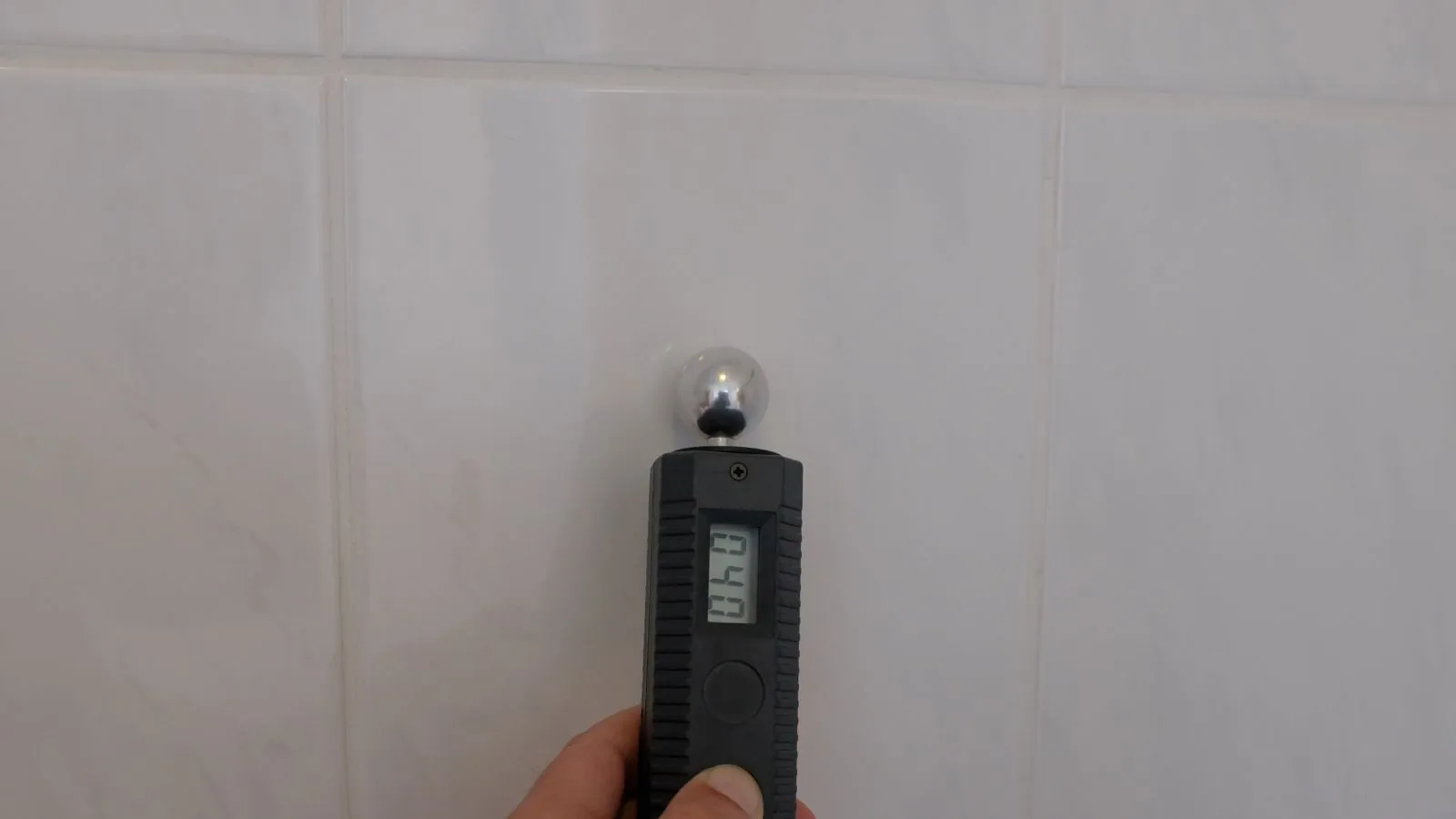
- Assess the damage. Moisture meters and a thermal imaging camera show which materials are wet and how far the water went.
- Extract standing water. Pumps and extraction units remove liquid water before drying begins.
- Remove what cannot be saved. Saturated pad, wet insulation and contaminated drywall come out so they do not hold moisture against framing.
- Dry the structure. Air movers and dehumidifiers pull moisture out of materials and out of the air.
- Monitor. Readings are taken on each visit until materials reach a normal dry level.
Equipment used in mitigation
Mitigation relies on a few tools that do most of the work. Moisture meters read the water content of wood, drywall and concrete. Thermal imaging cameras show cool, wet areas that look dry. Air movers push air across surfaces, and dehumidifiers remove water vapor so it does not simply settle somewhere else.
In larger jobs, crews add extraction machines, specialty floor drying mats and air scrubbers. For contaminated water they also use protective gear and disinfectants. The point of all of it is the same, to move water out of the building as quickly and as completely as the materials allow.
Mitigation and the standard behind it
The industry reference for this work is the ANSI/IICRC S500 standard for professional water damage restoration. It classifies water by how contaminated it is, from clean supply water to sewage, and by how much of a building is wet. Those classifications guide what can be dried and what must be removed.
We cite the standard as an industry reference, not as a certification. Ask any company how it decides what to dry and what to remove. A good answer refers to the type of water, the material and the time it was wet.
Why Marshfield buildings need quick mitigation
Marshfield's draft Multi-Hazard Mitigation Plan describes a town with tidal rivers, about 48.8 inches of rain a year and repeated coastal flooding. The Brant Rock Esplanade floods two to three times a year, according to that plan, and the plan counts 149 repetitive loss properties as of 2017. When water arrives on a regular basis, speed is not a luxury.
If your home is in one of those areas, keep a plan. Know where your main shutoff is, keep our number handy and photograph your rooms before the next storm. If water does come in, a call to water extraction services starts the clock on drying, and structural drying finishes the job.
Mitigation, insurance and your duty to limit damage
Most homeowners policies expect you to take reasonable steps to prevent further damage after a loss. That is sometimes called a duty to mitigate. It usually means shutting off the water, moving belongings and arranging emergency drying. Read your policy for the exact wording and ask your insurer what it expects.
The Massachusetts Division of Insurance notes that standard homeowners policies do not cover flood and that sudden and accidental non-flood water damage is something to discuss with your insurer. Keep receipts for emergency work and photograph the damage before anything is moved.
What mitigation does not include
Mitigation does not rebuild your kitchen or repaint your walls. It also does not repair the plumbing that caused the loss. A plumber fixes the pipe. A roofer closes the roof. A mitigation crew deals with the water that already got in.
It also does not guarantee a result. Some materials cannot be saved, no matter how fast the crew arrives. A good company says so plainly and explains why.
How to tell if mitigation is working
You can see progress in the numbers. Readings fall from visit to visit, and the crew should be able to show you them. Odors fade, damp spots shrink and the room feels drier. If readings stall, the crew should explain why and change the plan.
Mitigation ends when the building reaches a dry standard, which is based on readings in an unaffected area of the same building. At that point equipment is removed and repairs can begin.
Questions to ask a company about its mitigation plan
- What readings will you take, and will I see them?
- What will you remove, and why?
- How many pieces of drying equipment will you place, and how will you decide?
- How long do you expect drying to take?
- What changes would alter the scope or price?
Good answers are specific. They refer to materials and readings, not just a promise to make it dry.
Nearby towns and mitigation needs
The same principles apply across the South Shore. Rivers and marsh edges in Hanover and larger lots with wells in Norwell each change the cause of a loss, but the steps are the same. See our service area page to find your town.
Questions homeowners ask
Is water mitigation the same as water damage restoration?
No. Mitigation is the emergency phase of stopping the damage, removing water and drying. Restoration is the rebuilding that follows.
How long does water mitigation take?
Many jobs take a few days of drying, but it depends on the materials, the amount of water and the building. Readings decide when it ends.
Do I need mitigation if the water has already dried?
Surfaces can look dry while framing and insulation are wet. A moisture meter tells you whether anything remains.
Who pays for mitigation?
It depends on your policy and the cause of the loss. Check your policy and ask your insurer before major work, and keep all receipts.
Still have a question about what is water mitigation?? Call (781) 621-1785 and ask us directly.