

Structural drying, defined
Structural drying is the controlled removal of moisture from framing, subfloors, walls and ceilings using air movers, dehumidifiers and monitoring until materials return to their normal moisture level. In Marshfield it follows a leak, a flood or a storm once the standing water has been extracted.
It differs from running a fan. A fan moves air across a wet surface but does not remove water from the room. A dehumidifier does, and a moisture meter shows whether it is working.
Water mitigation: what it means and what it includes
Water mitigation means the steps taken to stop damage from getting worse after water enters a building. That starts with stopping the source and extracting water, and it includes removing materials that cannot be dried, setting drying equipment and documenting progress. Mitigation is not the same as repair. It is the emergency stage that comes before repair.
Mitigation is judged on speed and on whether the dry goal is met. The ANSI/IICRC S500 standard describes the principles. It defines water categories by contamination level and water classes by how much evaporation is needed, and it sets out monitoring and documentation expected on a job.
The equipment: air movers, LGR dehumidifiers and desiccants
Air movers push dry air across wet surfaces so moisture evaporates. LGR dehumidifiers pull that moisture out of the air and drain it away. In very cold or very wet conditions, a desiccant dehumidifier may do better. Wall cavities can be dried by drilling small holes and using a flow of air or by removing baseboard to open the cavity.
We place equipment by the size of the wet area and the materials involved. Too much airflow on wet drywall can push moisture around, and too little leaves wet pockets. A thermal imaging camera and moisture meters guide the placement.
Monitoring, logs and the dry standard
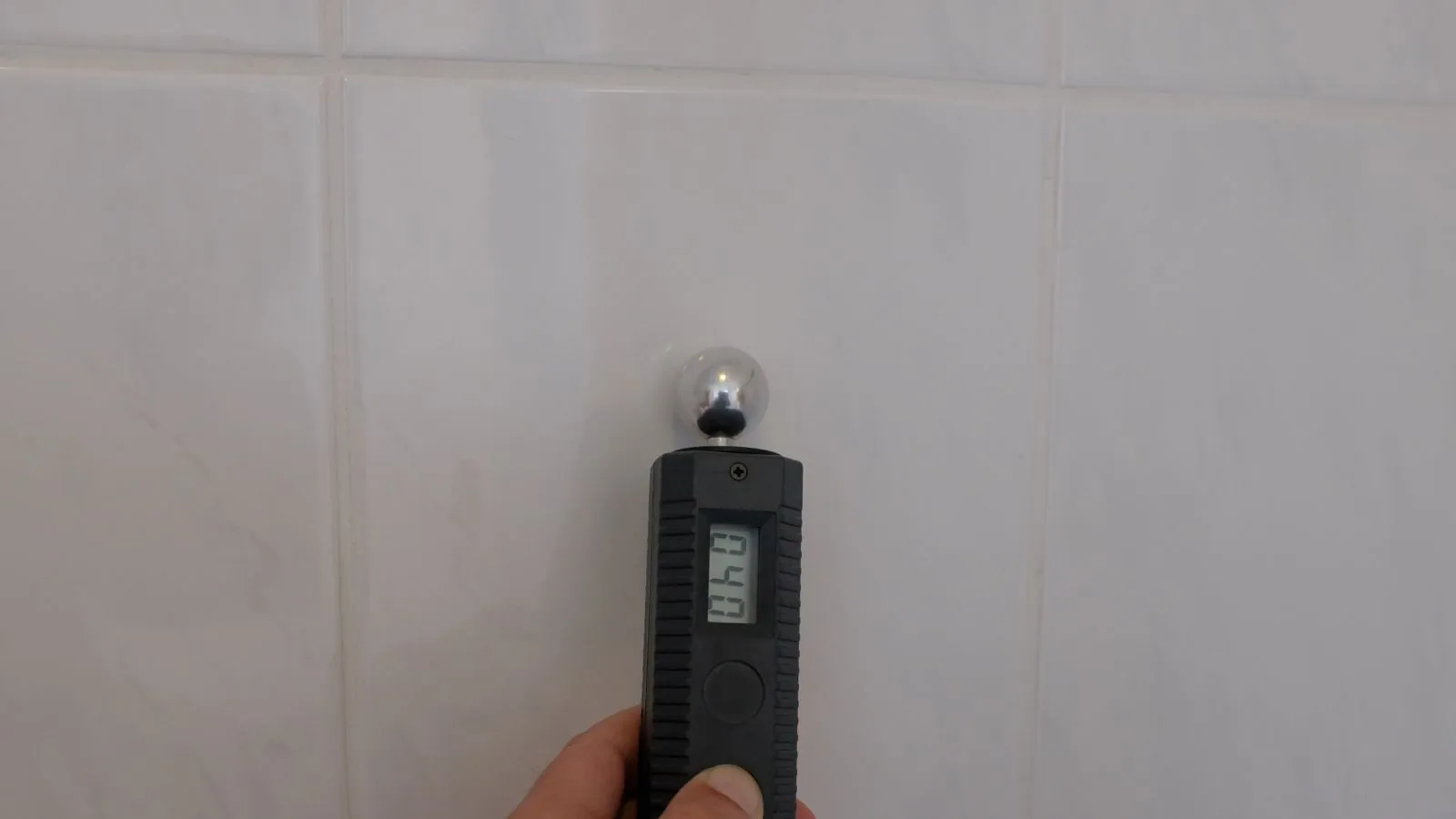
We take daily readings on affected materials and a reading on an unaffected area of the same kind as the target. When wet readings fall to match the dry reference, the material is dry. Equipment is then removed.
You can ask for the drying log at the end. It records dates, readings and equipment placed, which helps with an insurance claim and with any future questions about the work. If the job began as extraction, see water extraction.
The equipment and how it is placed
Air movers push dry air across wet surfaces. Dehumidifiers pull water vapor out of the air so it does not settle somewhere else. LGR dehumidifiers work well in warm humid rooms, and desiccant units suit cold spaces. We place equipment by room size, material and wetness, not by a fixed count.
Equipment runs for days, and it is loud. You may hear it day and night. Keep doors closed to the dried area so the machines can work on the target space.
Psychrometrics and why we log readings
Psychrometrics is the study of air temperature, humidity and moisture content. We measure those along with moisture content in the materials. If the air is too humid, drying slows, and if it is too hot, wood may dry too fast and crack.
Each visit we record readings in the same spots. When materials reach the normal level for dry materials, we remove the equipment. That log is also what your insurer may ask to see.
What the weather changes about drying
When outdoor air is damp, opening windows can slow drying, so dehumidifiers run with the building closed. In winter, cold air is dry but heat is needed to evaporate water, so equipment and temperature are balanced.
After a flood or a major leak, expect noise and equipment for several days. If you smell mustiness or see dark spots on surfaces, ask us about mold remediation before you close the walls.
Questions homeowners ask
How long does structural drying take?
It depends on the amount of water, the materials and the conditions. Moisture readings decide when drying is finished, not a fixed number of days.
Do I need a dehumidifier or just fans?
A dehumidifier is needed to take moisture out of the air. Fans alone move moisture around the room.
What is the difference between water mitigation and restoration?
Mitigation stops the damage from spreading and dries the structure. Restoration is the repair and rebuild afterward.
How do you know when a wall is dry?
We compare readings in the wet area with readings in a similar dry area of the same material, and drying ends when they match.
Still have a question about structural drying? Call (781) 621-1785 and ask us directly.