

Storm water damage on a tidal coast
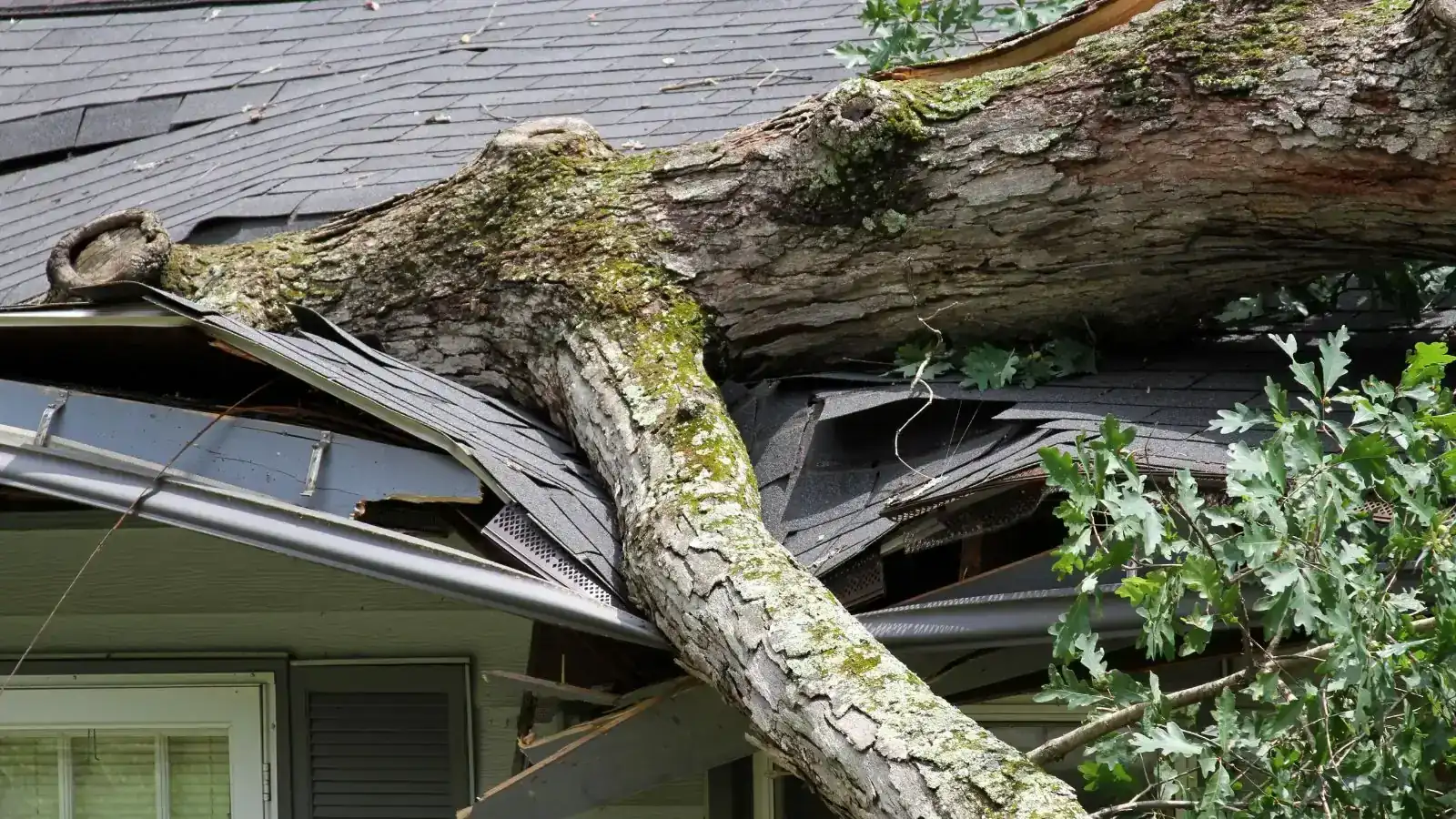
Storm water damage is water that enters a building during a nor'easter, coastal surge, heavy rain or wind event. It can arrive as rising tide through doors and vents, runoff from the street, rain driven through siding and windows, or a roof breach.
Marshfield's draft Multi-Hazard Mitigation Plan reports that the Brant Rock Esplanade floods two to three times a year to depths of one to two feet. It notes the 2018 storm brought the highest still-water levels since the Blizzard of 1978, with more than three feet of standing water in places. If you live in a low area, that is the scale your cleanup may face.
Storm water cleanup steps for homeowners
- Wait for the storm to pass and for the road to be safe before returning. Never drive through flooded streets.
- Do not enter a building with water near the panel or outlets. Call the utility or an electrician first.
- Treat all tidal and street flood water as contaminated. Wear boots, gloves and eye protection.
- Photograph the water line on walls and on belongings before moving anything.
- Call us as soon as the flood recedes so drying starts within a day.
Why salt water and tidal floods are handled as contaminated
Flood water picks up soil, oil, bacteria and sewage as it moves. Under the ANSI/IICRC S500 standard it is Category 3, grossly contaminated water. Porous materials such as drywall, insulation, carpet and pad that were soaked by it are generally removed rather than dried.
Salt water also corrodes. Electronics, appliances and HVAC equipment that were submerged often fail later even if they power on. Ask a licensed professional to inspect them before use. See flood damage restoration for the full cleanup steps.
Wind driven rain, roofs and attic water
Not every storm leak comes from the ground. Wind can drive rain under shingles, around windows and through gable vents. Water collects in attic insulation and then shows up on a ceiling hours later. If your ceiling is wet, see ceiling water damage repair, which also covers roof leaks.
A tarp over a roof opening is a roofer's job. We dry the inside once the opening is closed. Take photos of the roof, the ceiling and any stains before cleanup.
Before the storm: how to limit damage
Move valuables off the floor, clear gutters and downspouts, test your sump pump and know where the main water valve and electrical panel are. If you live in a coastal flood area, keep important papers in a waterproof box and think about where the car will go.
Take photos of your home and belongings before a storm. A photo gives your insurer a baseline, and it helps us understand what changed.
After the water recedes
Mud, sand and debris are heavy. Do not rush to shovel until you know whether the water carried sewage. Wear boots and gloves, open windows if the weather allows and let air in. Do not turn on the furnace or appliances that were under water until they are inspected.
A crew arrives with pumps, extraction equipment, protective gear and drying machines. We remove debris, extract the water, tear out contaminated materials and begin drying. See sewage backup cleanup if the storm also overwhelmed drains.
Flood zones, insurance and rebuilding rules
The town reports that a coastal flood map revision effective in 2020 affects 2,249 properties, and directs residents to the FEMA Flood Map Service Center to check an address. The town also offers a Substantial Improvement workbook and a Repairing a Flooded Home file for owners planning repairs. Read them before you rebuild.
The Massachusetts Division of Insurance states that standard homeowners policies do not cover flood, and that the National Flood Insurance Program typically has a 30 day waiting period. Ask your insurer before the next storm, not after it.
Questions homeowners ask
Is emergency storm cleanup available in Marshfield after a nor'easter?
Yes. Call (781) 621-1785 at any hour. Same-day response is offered when crews are available, though demand rises after big storms.
Is tidal flood water dangerous?
Yes. It is treated as contaminated and porous materials it soaked are usually removed.
Is storm damage covered by homeowners insurance?
Wind driven rain damage is often covered while flood generally is not. Check your policy and ask your insurer.
What should I do before the next storm?
Move valuables up, check sump pump power and learn where your main water and electrical shutoffs are.
Still have a question about storm water damage? Call (781) 621-1785 and ask us directly.