

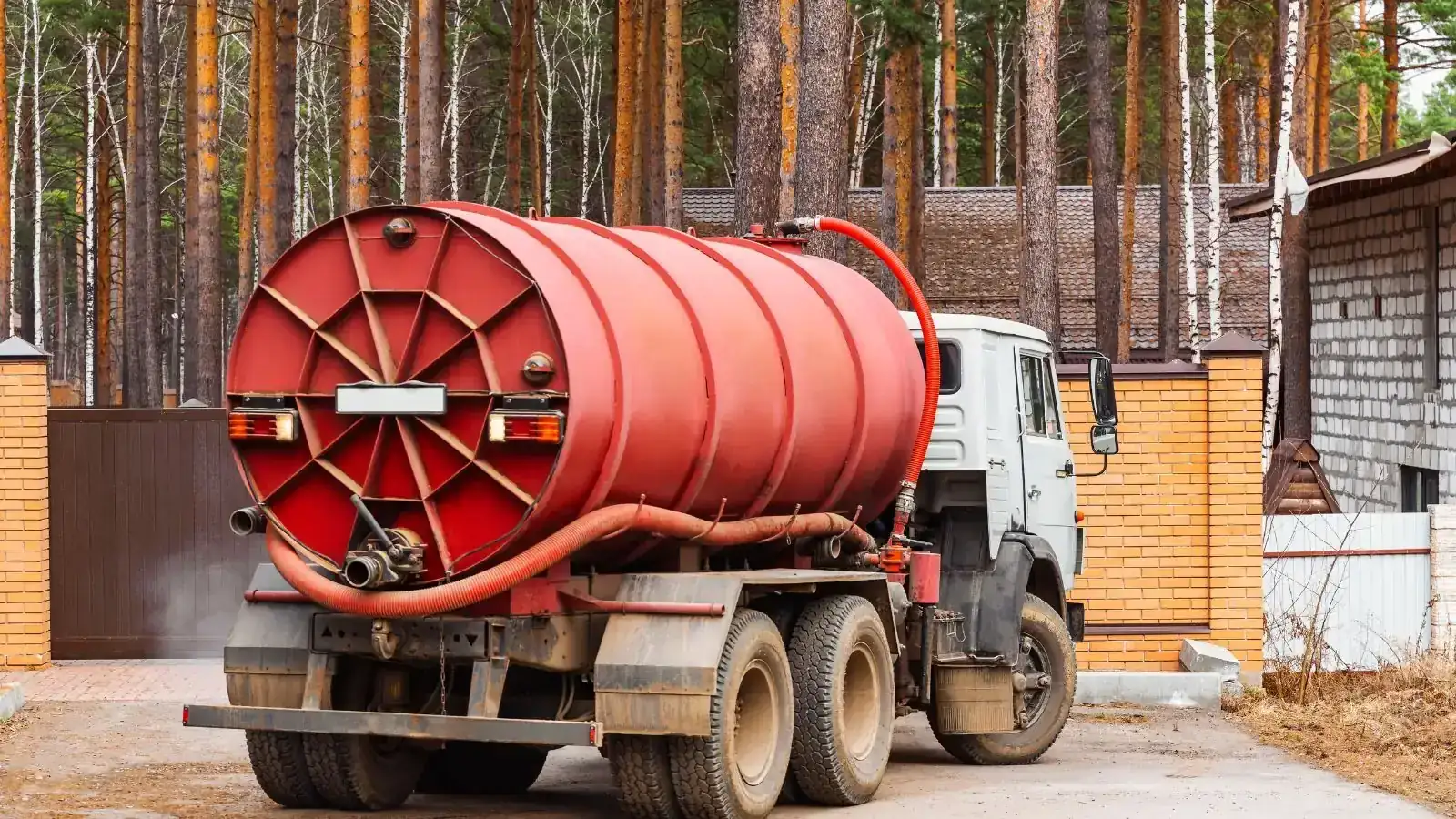
What sewage backup cleanup involves
Sewage backup cleanup is the removal of wastewater and contaminated materials from a building after a drain, toilet or floor drain overflows. The ANSI/IICRC S500 standard treats sewage as Category 3, meaning grossly contaminated, so the work follows stricter rules than a clean pipe leak.
Contact with sewage should be avoided. Questions about health effects belong with a physician or your local health department, and the practical rule is simple: keep people and pets out and call for help.
Sewage in the house: what to do right now
- Stop using toilets, sinks, showers and the washing machine. Every flush or drain adds to the backup.
- Keep children, pets and everyone else out of the affected rooms.
- Do not touch the water or wet materials without gloves and boots, and do not run a household vacuum on it.
- Turn off power to the area only from dry ground and only if you can reach the panel safely.
- Photograph the water, the drain and the damage, then call the emergency line.
Is it your line or the town main?
Marshfield's Department of Public Works has a Wastewater division, and the town's sewer regulations in Chapter 223 say the owner pays for and maintains the building sewer. That means a clog or break in the pipe between your house and the main is usually your responsibility, while a blocked town main is the town's.
A plumber with a camera can tell which it is. Whether your home is on town sewer or a private septic system changes who is called, so check with the DPW. Only licensed drain layers or plumbers get permits for building sewer work. We handle the water and materials, not the pipe.
How contaminated water is removed and the area cleaned
We extract the water first. Porous materials that soaked up sewage are removed, including carpet, pad, insulation and drywall below the water line. Hard surfaces and framing are cleaned, treated with an antimicrobial and dried with air movers and dehumidifiers.
Cleanup crews work in protective equipment, and affected areas are isolated so contamination does not spread to clean rooms. See our flood damage page for the similar protocol after outside flooding, and basement cleanup when the sewage reached a lower level.
Why sewage water is treated as a health hazard
Sewage is Category 3, or black water. It carries bacteria and viruses that can cause illness if you touch it or breathe mist from it. Children, older adults and anyone with a weakened immune system should stay away. Do not use fans to dry a sewage spill before it is removed, because fans can spread droplets.
Wear waterproof boots, gloves and eye protection if you must enter. Do not eat or drink in the area. Wash hands well afterward and bag clothes that were splashed.
Where the backup came from
A backup can come from a clogged line on your property or from the municipal main. Floor drains, basement toilets and tubs fill first because they are the lowest fixtures. If several neighbors have the same problem, the main may be blocked, and the town sewer or DPW should be notified.
If only your house is affected, a plumber can camera the line. Under the town regulations, the owner pays for and maintains the building sewer, so keep any plumber's report for the insurer.
Sewage backups and insurance
The Massachusetts Division of Insurance says sewer or sump backup is covered by a flood policy only when a general flood is the cause. Many homeowners policies treat backup separately, so ask your insurer whether your policy has water backup coverage. Check your policy before you assume.
Keep photographs, the plumber's report and receipts. A written scope helps the adjuster understand what was removed.
Questions homeowners ask
Is emergency sewage backup cleanup available in Marshfield at night?
Yes. The line at (781) 621-1785 is open 24 hours a day. Same-day response is offered when crews are available.
Who pays to clear a sewer backup, me or the town?
The town's sewer regulations say the owner pays for and maintains the building sewer. A blocked town main is handled by the town. A plumber can show which section failed.
Can I clean up sewage myself?
Small amounts on hard surfaces can be handled with gloves, boots and disinfectant. Anything that soaked into carpet, drywall or insulation needs professional removal.
Is sewage water Category 3?
Yes under the S500 standard. It is grossly contaminated, so porous materials are generally removed.
Still have a question about sewage backup cleanup? Call (781) 621-1785 and ask us directly.