

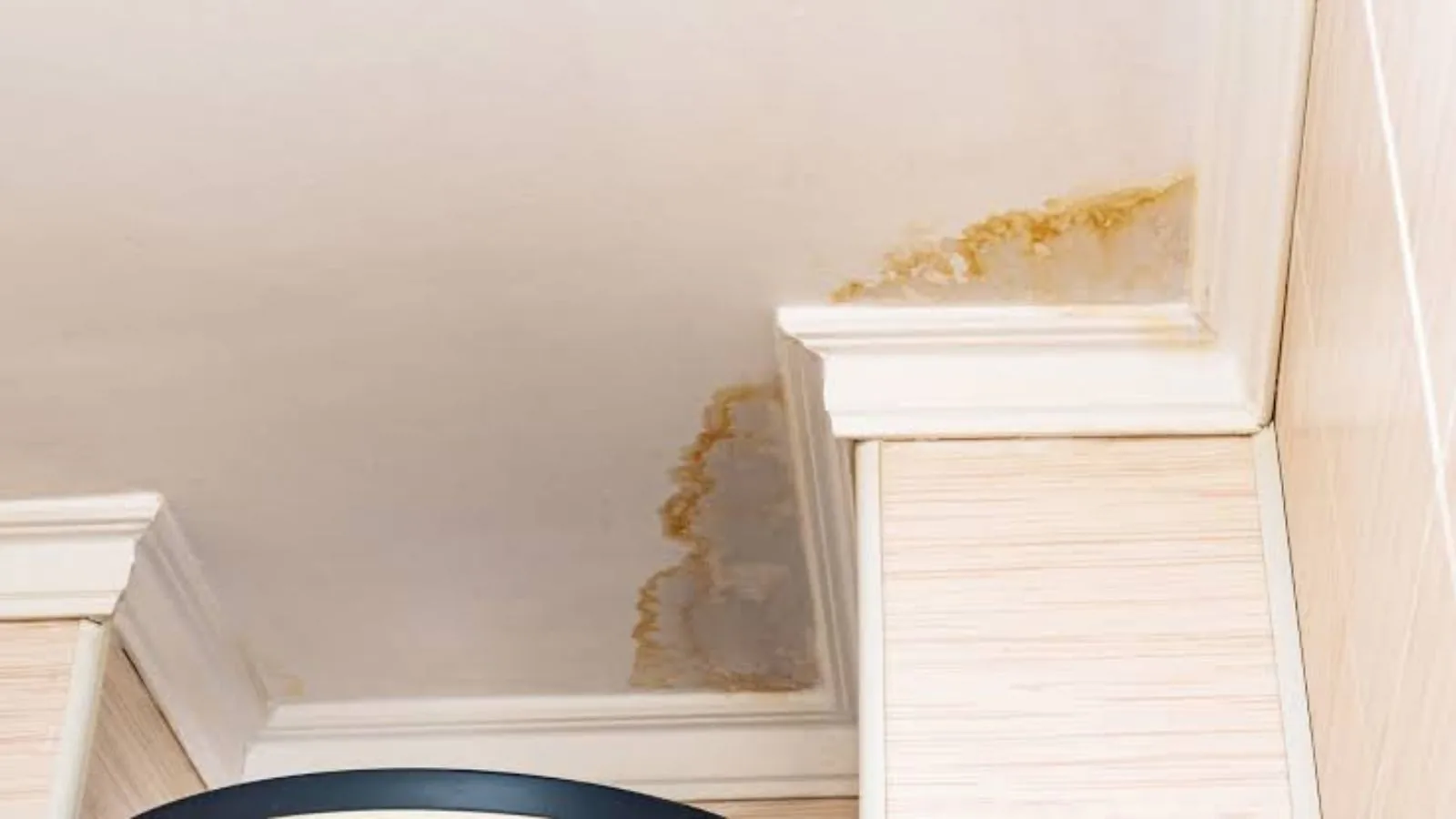
How water gets into walls
Wall water damage is the wetting of drywall, plaster, insulation and framing from a pipe leak, a roof or window leak, a flood or a plumbing fixture. Drywall paper wicks water upward, so a wall that was wet at the bottom can stain several inches above the water line.
Signs include bubbling or peeling paint, a brown stain, soft or crumbling drywall, a musty smell and baseboards that have swelled. A stain that grows after the leak is fixed means moisture is still inside.
First steps for a wet wall
- Stop the source. Close the shutoff for a pipe leak or deal with the roof opening.
- Do not drill or poke a ceiling that bulges with water. Put a bucket under it and puncture only if a professional says to.
- Move furniture away from the wall and remove anything hanging on it.
- Keep the room ventilated but do not use heat on drywall.
- Photograph stains and call us before painting or covering the wall.
Dry in place or cut out
Drywall that was wet briefly with clean water can sometimes be dried in place, especially with wall cavity drying that pushes air into small holes. Drywall that has swelled, softened or developed mold is cut out. Wet insulation is removed, because it holds water against framing.
Contaminated water changes the answer. If the wall was soaked by sewage or flood water, the standard approach is removal of the porous material. See sewage backup cleanup and flood damage restoration.
Moisture mapping and the flood cut
We probe walls with a pin meter and scan with a thermal imaging camera. Readings are taken at the bottom, the middle and the top of the wall, because moisture rises. When a wall must be opened, a flood cut removes drywall a set height above the highest wet reading, which lets the cavity dry and lets us see the framing.
After the cut, framing is dried to normal readings before new drywall goes up. Closing a wall too soon is how a mold problem starts, so we do not skip this check. For equipment and timing see structural drying and dehumidification.
Plaster, paneling and tile walls
Older Marshfield homes may have plaster and lath, wood paneling or tile backed by cement board. Plaster is heavy and dries slowly. Paneling can warp. Tile hides drywall behind it and the tile grout lets water through. Each needs its own plan, and we check before cutting anything.
Painted plaster may hold lead paint if the home was built before 1978. Do not sand or scrape old paint without testing, and tell us if the home is older.
Insulation and electrical in wet walls
Wet insulation holds water against studs and has to come out. Outlets and wiring in a wet wall are a safety concern. Turn off the circuit at the panel if you can do so safely, and have an electrician inspect anything that was soaked before you use it.
We cut around electrical boxes carefully and leave rewiring to licensed electricians.
Rebuilding and what to expect
After drying, new drywall is hung, taped, mudded, primed and painted. Some repairs need plumbing or electrical work first, and the Marshfield Building Department lists plumbing, electrical and building permits in its online portal. A contractor with the proper license should handle the rebuild.
Mass.gov notes that no license is required to do mold remediation in Massachusetts, so ask any contractor about experience and written scope. Water damage to walls is usually covered when it is sudden and accidental, while long term seepage often is not. Check your policy.
Questions homeowners ask
Can wet drywall be saved?
If it was wet briefly with clean water and has not swelled, sometimes. Soft or moldy drywall is cut out.
Why is my wall stained after the leak stopped?
Moisture may still be inside, or the stain is old. A meter tells which.
Do I need to open the wall to dry it?
Not always. Small holes and air movers can dry a cavity, but readings decide.
How soon can I paint?
After readings are normal. Painting wet drywall traps moisture.
Still have a question about wall and drywall water damage? Call (781) 621-1785 and ask us directly.