

The short rule
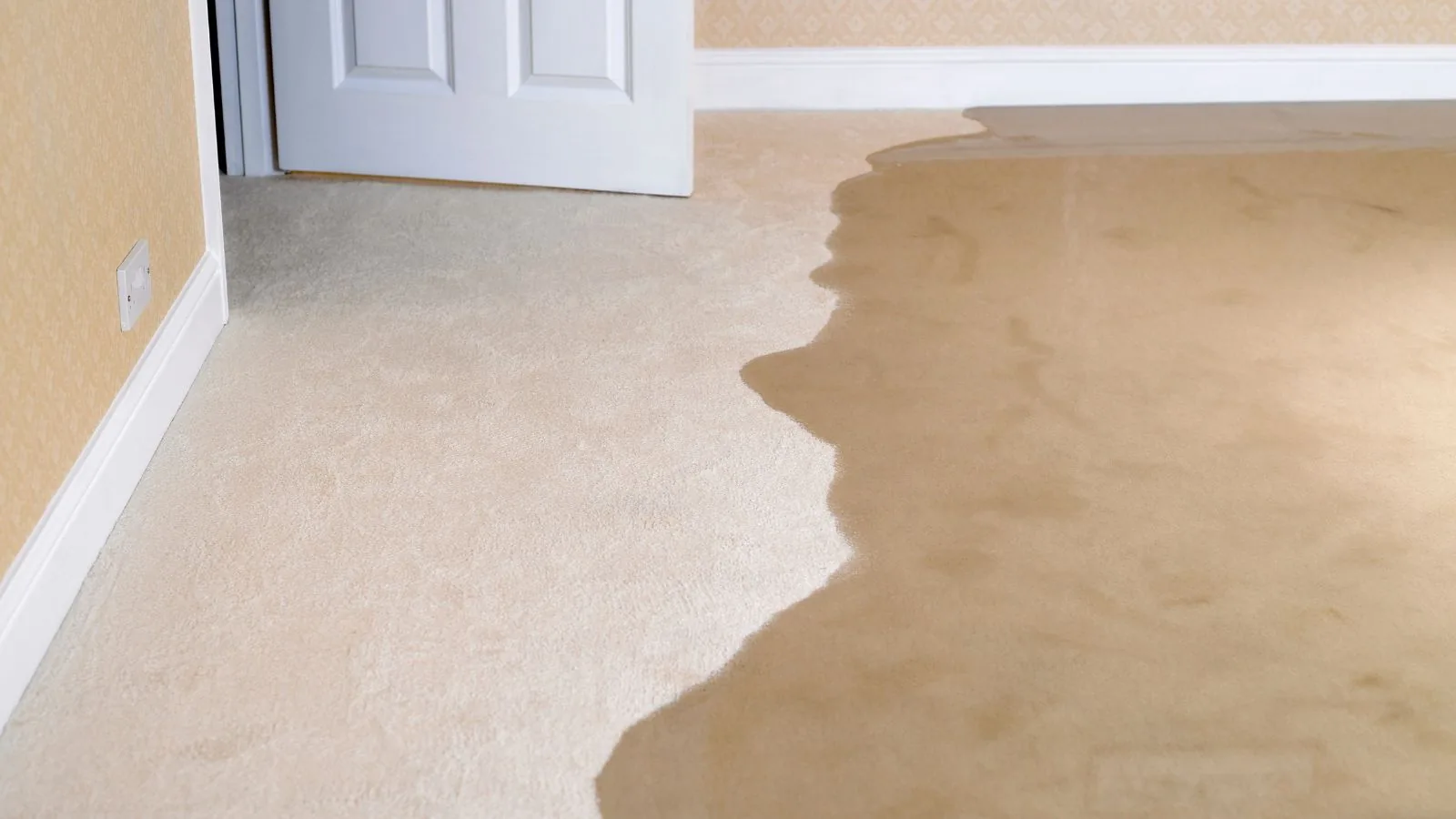
You can dry a small, clean water spill on a hard surface or a small patch of carpet on your own, as long as it is caught quickly and no one is at risk. You should call a professional when the water is contaminated, the area is large, walls or ceilings are wet or electrical hazards are present.
When in doubt, a quick call costs nothing and can tell you which side of the line you are on.
What you can usually handle
- A glass of water spilled on a floor or rug.
- A small leak from a sink that you caught within an hour and stopped.
- A wet bathmat or towels.
- A small puddle from a refrigerator drip tray.
- Condensation on windows.
Mop up, towel dry, open windows if weather allows and run a fan. Check the area again in a day. If the smell remains or the floor feels damp, call.
Supplies that help
Towels, a mop, a wet and dry vacuum used only on clean water, a box fan and a dehumidifier cover most small jobs. Lift rugs and furniture so air can reach the floor. Use a fan across the surface and a dehumidifier in the room to pull vapor out.
A cheap moisture meter helps you check whether a floor or wall is really dry. It does not replace professional equipment, but it tells you when to call.
When contaminated water changes everything
Sewage, flood water and water that has sat for days carry bacteria. The ANSI/IICRC S500 standard calls the worst of it Category 3. Do not dry that yourself. Porous materials usually have to be removed, and the cleanup needs protective gear.
See sewage backup cleanup for the professional process.
Wet walls and ceilings are not DIY
Water inside a wall or above a ceiling is invisible and heavy. A ceiling that bulges can drop water and plaster suddenly. Wall cavities hold insulation that stays wet. Surface fans do not dry these areas.
If you see a stain or a bulge, keep people away, put a bucket under it and call. Do not poke a hole unless a professional tells you to.
Electrical risk
Water and electricity do not mix. If water reached outlets, cords, appliances or the panel, do not stand in it. Turn off power only from a dry spot, and only if you can reach the panel safely. Otherwise, call the utility or an electrician.
After a flood, do not use appliances that were submerged until a licensed professional has checked them.
The 24 to 48 hour window
Mold can begin to grow on wet materials within a day or two, and federal guidance from the EPA says to dry within 24 to 48 hours. If you cannot get a surface dry in that time, call. Waiting hoping it will dry costs more than a call.
Dry weather helps less than you might think. Indoor humidity can stay high, and enclosed spaces hold moisture.
Hardwood, carpet and subfloors
Hardwood can cup or buckle with trapped moisture. Heat guns and space heaters can crack boards. Carpet pad holds water that you cannot see. See carpet water damage for professional methods.
If a floor feels wrong underfoot, it is wet beneath the surface.
Signs your DIY drying is not working
- The floor still feels cool or damp after two days.
- A musty smell appears or grows.
- Baseboards swell or paint bubbles.
- Stains reappear after you dry them.
- Your moisture meter reads high compared with a dry area.
Calling a professional is not failure
A crew has equipment you do not, including high speed air movers, commercial dehumidifiers, thermal cameras and extraction units. They also know what the standard says about what to save. Calling does not mean your efforts were wasted. It means you are protecting your house.
You can also call first and ask for advice on the phone. We will tell you what to do while you wait.
A simple DIY drying routine for a small spill
- Stop the source and mop up standing water.
- Lift rugs and furniture legs off the wet area.
- Blot the surface with towels and press down to pull water out.
- Point a fan across the surface and run a dehumidifier in the room.
- Check the area with your hand and a moisture meter after twelve hours, then again the next day.
- Keep air moving for a couple of days even if the surface feels dry.
If at any point the area feels damp, smells musty or the stain spreads, stop and call.
The risk of a drying job that looks done
The most common DIY mistake is stopping too soon. The surface feels dry, so the fan comes off. Underneath, the pad, the subfloor or the wall bottom is still wet. A few weeks later there is a smell or a stain.
That is why professionals measure. A reading tells you what your hand cannot. If you do not have a meter, consider calling for a check before you stop drying.
Pets, children and air quality
Keep children and pets out of wet areas and away from fans that blow across damp surfaces. If anyone in the household has asthma or allergies, be extra careful and consider calling a professional even for modest damage. Wet materials can release odors and spores that bother sensitive people.
Know your limits and your insurance
Some policies expect a professional for certain losses, and do-it-yourself drying can complicate a claim if it is done poorly. Photograph everything and keep notes about what you did and when. Ask your insurer before major work.
Homes in North Pembroke and Greenbush
Basements in North Pembroke and bathrooms in Greenbush are common starting points for small leaks that grow. A routine check of those areas can catch a leak while it is still a DIY job.
See our service area page for more on where we work.
Questions homeowners ask
Can I use a household fan to dry a wet floor?
For a small clean spill, yes. For larger wet areas or wet walls, a fan alone is not enough.
Is it safe to use a wet vacuum?
On clean water and away from electrical hazards, yes. Do not use one on sewage or in standing water near outlets.
How do I know if my wall is wet inside?
A moisture meter or thermal camera can tell. Stains, soft spots and a musty smell are warning signs.
When should I stop and call?
Call if the water is dirty, the area is large, walls or ceilings are wet or you are unsure.
Still have a question about diy drying vs a professional? Call (781) 621-1785 and ask us directly.