

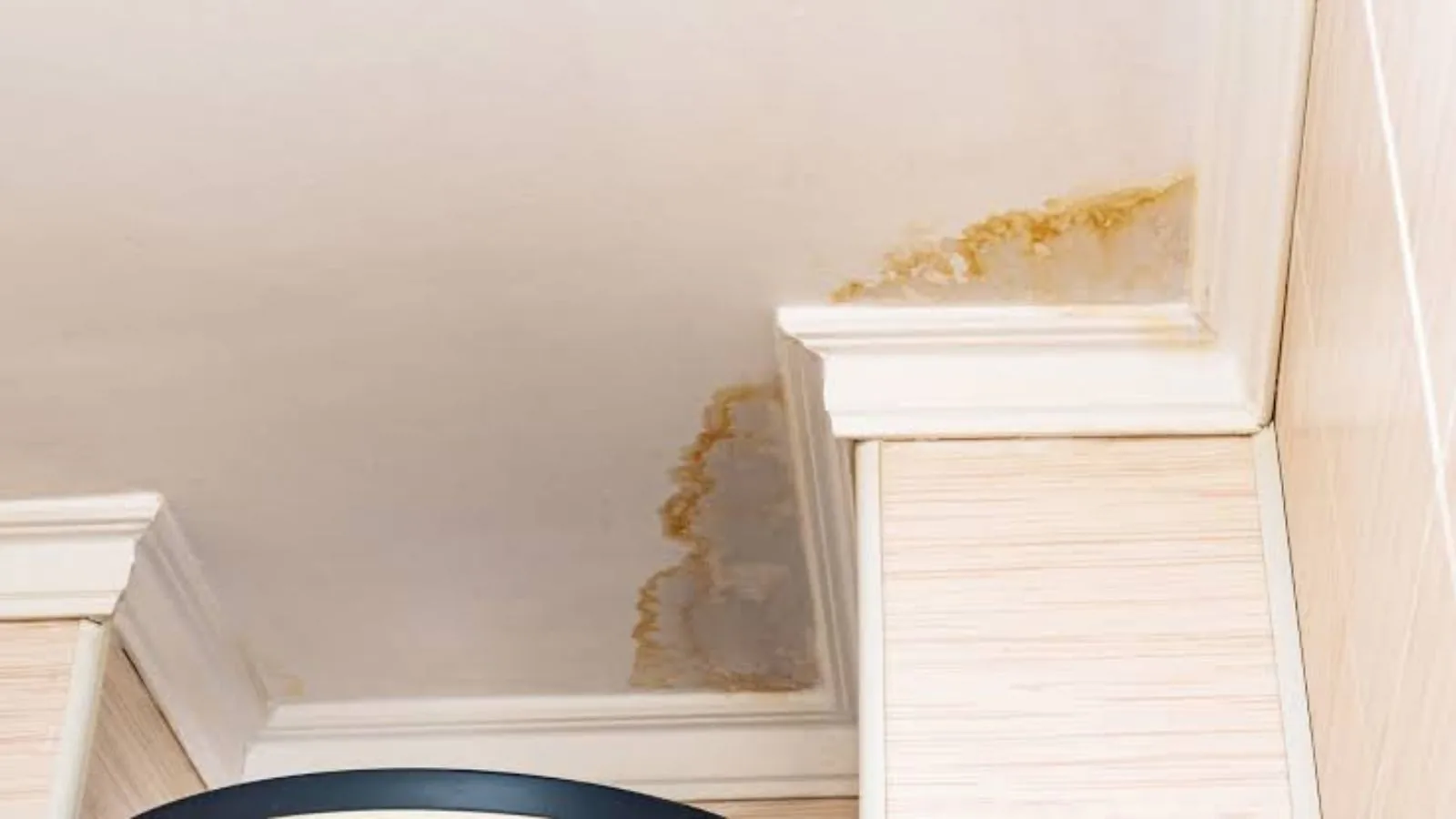
Why the wall material decides everything
Mold sends thread-like roots into porous materials, and surface cleaning cannot reach them. On a hard, non-porous surface, mold sits on top and can be cleaned off. That difference drives nearly every decision about removing mold from a wall.
Drywall is paper faced gypsum. Paper is food for mold, and the gypsum core absorbs water. Plaster is harder but still porous. Painted wood, tile and glazed surfaces are less porous. Knowing which one you have is the first step.
Drywall: usually cut out
When mold grows through painted drywall, the usual approach is to cut out the affected panel and a margin around it. The bad section is bagged on site and removed. Replacing it costs less than trying to clean something that will grow back.
Cutting out is also how crews find the extent. A stain on the surface can be the edge of a patch twice that size behind it. We open from the outside of the visible growth to the clean material and check the framing as we go.
Plaster, paneling and masonry
Plaster over lath can sometimes be cleaned and dried if the growth is shallow. If it has crumbled or stayed wet for long, sections are removed. Wood paneling is cleaned if sound and replaced if swollen. Concrete block and brick are cleaned and dried.
Painted surfaces are tricky. Paint can hide growth underneath, and it can peel in sheets. We test with moisture meters and remove paint where needed before judging how deep the problem goes.
Framing and sheathing behind the wall
When drywall comes out, framing is exposed. Studs with surface growth are cleaned by HEPA vacuuming and damp wiping, then dried. Sheathing that is soft or delaminating is replaced. A wood moisture reading tells us when framing is dry enough to close in.
Closing the wall before it is dry is the main reason mold returns. We hold off until readings are normal.
Containment and why it matters
Disturbing mold sends spores into the air. To keep them from spreading, crews seal the work area with plastic sheeting, run a HEPA air scrubber and often hold the room under negative pressure. Doors and vents are covered. Workers wear respirators, gloves and disposable coveralls.
You may see this and think it is excessive for one wall. It is not. Spores travel on air currents and settle on every surface, and containment is how a one-room problem stays a one-room problem. The ANSI/IICRC S520 standard describes this approach as an industry reference.
What not to do
- Do not dry scrub or sand moldy surfaces. It puts spores in the air.
- Do not paint over mold. It will bleed through and keep growing.
- Do not mix cleaning products. Some combinations release harmful gas.
- Do not run a fan across the growth to dry it. It spreads spores.
- Do not ignore the moisture source. Mold returns when the wall gets wet again.
Finding and fixing the moisture
Mold on a wall means that wall stayed wet. The cause might be a plumbing leak, a window or roof leak, condensation or high humidity. Until it is found and fixed, any cleaning is temporary.
We use moisture meters and thermal imaging to trace it. If the cause is a plumbing failure, a plumber repairs it. If it is condensation, ventilation or a dehumidifier may help. Our wall and drywall water damage page explains the drying side.
Disposal and cleanup
Removed material is double bagged and carried out in a way that avoids dragging it through clean rooms. Surfaces in the work area are HEPA vacuumed and wiped. The space is then dried and inspected. After that, new drywall can go in.
Mass.gov notes that no license is required for mold remediation in Massachusetts, so ask any company how it contains the area and disposes of material. Our mold remediation page describes our process.
What the work looks like on the day
A mold removal visit is slower and quieter than many people expect. The crew starts by walking the area with you, laying down protective floor covering and sealing the room. They set up the air scrubber and check pressure before cutting anything.
Cutting is done carefully with HEPA vacuums attached where possible. The crew bags material in the room, wipes the bag exterior and carries it out along a planned path. When the wall cavity is exposed, they photograph it and take moisture readings before cleaning the framing.
The final step is a visual check and a dry reading before the equipment comes down. Closing the wall comes later, after drying is confirmed.
Questions to ask before you hire
- How will you contain the work area?
- How will you find and document the moisture source?
- What will you remove and what will you clean?
- How will you verify the work is complete?
- Is the scope and price in writing before work starts?
A clear answer to each is a good sign. Vague answers are not.
Rebuilding after removal
Once framing is dry and clean, new insulation and drywall go in, followed by tape, mud, primer and paint. Use mold resistant drywall in damp areas if your contractor recommends it. Fix the moisture source before the new wall goes up.
We prepare the area for repair and do not replace the work of a licensed contractor. Permits may apply, and the town building department can tell you.
Spotting mold early on walls
Look for spots behind furniture, inside closets and along baseboards on outside walls. Pull a bed or a couch a few inches from the wall once a season and check. Early mold on a hard surface is a cleaning job. Late mold in drywall is a removal job.
Walls in North Pembroke and Hanover
Homes near ponds, rivers and marsh edges, like those in North Pembroke and Hanover, often have higher humidity and damper basements. Walls on the north side of a house or against a basement stay cooler and collect condensation. Check those walls first in winter.
You can browse every town we cover on the service area page.
Questions homeowners ask
Can mold be wiped off a painted wall?
On a hard painted surface with only surface growth, sometimes. If the wall is drywall that stayed wet, mold is usually inside it.
How do I know if mold goes through the wall?
Soft spots, swelling, a strong musty smell and a stain that returns after cleaning are signs. A moisture meter and an inspection hole confirm it.
Does the whole wall have to come out?
Not usually. The affected section and a margin of clean material are cut out.
Do I need a test before removal?
The Massachusetts Sanitary Code does not require testing to determine excess moisture or mold. Testing may help in a sale or a dispute.
Still have a question about removing mold from walls? Call (781) 621-1785 and ask us directly.