

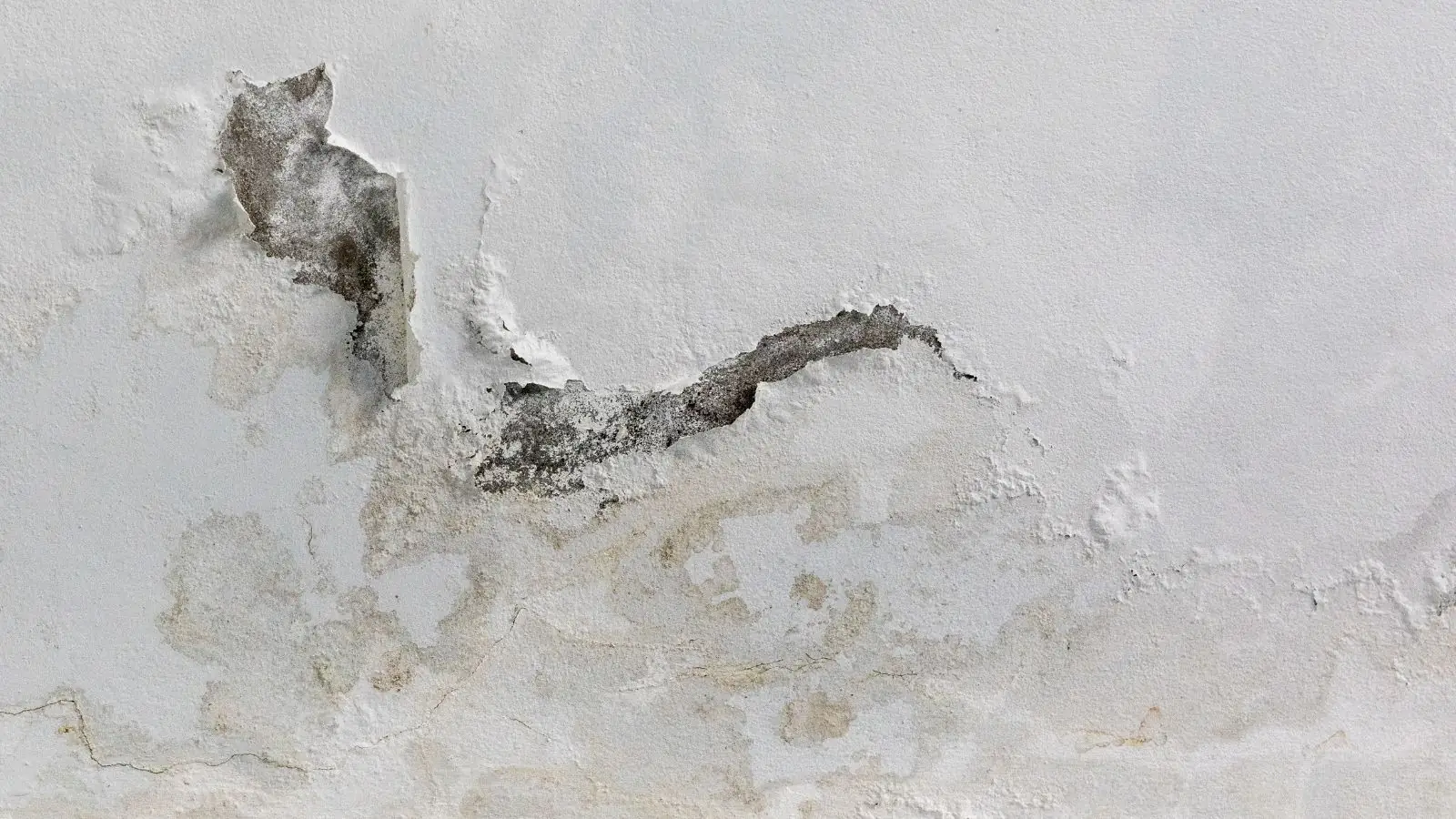
Why the age of the damage matters
Knowing whether damage is new or old changes what you do next. Fresh damage may still be saved by quick drying. Old damage often means rot, mold or a leak that is still active. It also changes how your insurer looks at the claim, since many policies treat sudden and accidental damage differently from long term seepage.
You cannot always tell by eye, and even professionals use meters and tests to confirm. But some clues are reliable, and you can gather them before you call.
Signs of new water damage
- A stain that is damp or cool to the touch.
- Drywall that is soft but not yet crumbling.
- Paint that bubbles but is still intact.
- A single stain with a soft edge and no rings.
- No strong musty smell, or only a faint one.
- A moisture meter that reads high in a localized area.
New damage often follows an event you can name, such as a burst pipe, a storm or an appliance failure. If you can point to the day it began, tell us. The answer matters for the plan.
Signs of old water damage
- A stain with rings, like the growth rings of a tree, from repeated wetting and drying.
- Brown, yellow or tan color that has dried hard.
- Peeling or flaking paint and wallpaper that has lifted at seams.
- Cracked or crumbling drywall and plaster.
- Mold growth, often black, green or white and fuzzy.
- A persistent musty smell that returns after cleaning.
- Warped, cupped or stained flooring and swollen baseboards.
- Rust on nails, fasteners or metal near the stain.
Why rings and color matter
A stain forms when water carries minerals and dirt as it dries at the edge. When a leak starts and stops, the stain grows in stages, and each stage leaves a ring. Multiple rings mean multiple wetting events, which usually means a recurring leak.
Color gives a rough hint, but not a date. Fresh stains from clean water can be pale. Stains that include rust or tannins can be darker even when new. Treat color as one clue among several, not as a date stamp.
Smell, texture and sound
Your senses add information. A musty or earthy smell suggests moisture trapped for days or longer. A spongy feel when you press drywall suggests a lot of water in the gypsum. A hollow sound when you tap a swollen floor suggests that boards have lifted.
None of these is a diagnosis. They tell you where to take readings.
How professionals tell for sure
A pin or pinless moisture meter measures how much water is in a material. A thermal imaging camera shows temperature differences from evaporation. Comparing readings with a known dry area of the same material tells us whether the wall is wet now.
If the stain is old but the wall reads dry, the leak may have stopped. If it reads wet, the leak is active, even if the stain looks old. Our structural drying page describes how readings are logged and used.
Old damage can hide an active leak
A stain you have lived with for years can sit above a pipe that still drips a little. Because it dries between events, you might see nothing for months. Then a heavy rain or a hot day makes it grow.
If you buy a home with old stains, ask for moisture readings before you close. If you own a home with stains, have readings taken before you paint. Painting over a leak hides it and does not fix it.
What old damage means for the repair
Old damage often means more to replace. Wet wood may be rotted, drywall may be crumbled and insulation may be compressed and moldy. Mold becomes part of the job, and you may need containment. See mold remediation if growth is present.
New damage often means more can be dried in place. Fast action is how a repair stays small.
Insurance and the age of the loss
The Massachusetts Division of Insurance explains that sudden and accidental non-flood water damage is something to take up with your insurer, and that standard homeowners policies do not cover flood. Policies commonly exclude damage from long term leaks or repeated seepage, though wording varies.
That makes the history important. Keep dated photos, repair receipts and any plumber reports. If your claim is about a sudden event, the paper trail helps show it.
What to do when you find a stain
- Take dated photos with a ruler or a coin for scale.
- Mark the edge of the stain with a pencil and the date, so you can see if it grows.
- Check for a source above the stain, such as a bath, a pipe, a roof or an air conditioner.
- Do not paint or cover the stain until readings are taken.
- Call for a moisture check if the stain grows, feels damp or smells musty.
Stains in Marshfield homes
Coastal humidity, snow load and freeze and thaw cycles stress roofs and plumbing. Ice dams, which form when snow melts and refreezes at the eaves, can push water under shingles. Marshfield averages about 59 inches of snow a year according to its mitigation plan, so winter leaks are not rare.
Check ceilings on outside walls after a thaw. See wall and drywall water damage repair for what happens next.
Photographing a stain over time
Take a photo of the stain in the same light and from the same spot each week. Place a coin beside it for scale. If it grows, the leak is active. If it does not, the leak may have stopped, though a meter should still confirm.
Share the photos with a plumber or with us. They show a history that a single visit cannot.
Older homes in Hanover and Greenbush
Houses with long histories, such as those in Hanover and Greenbush, often have layers of old paint that hide past leaks. A fresh coat can look clean over a stain that is still damp underneath. Tap, press and measure before you trust the surface.
You can see every town we serve on the service area page.
Questions homeowners ask
Can I date a water stain by its color?
Not reliably. Color is a hint, but rings, texture, smell and moisture readings tell more.
Can an old stain be an active leak?
Yes. Leaks that start and stop leave rings, and a stain can sit over a pipe that still drips.
Will insurance cover old water damage?
Often not if it came from long term seepage, but wording varies. Check your policy and ask your insurer.
Should I paint over an old stain?
Not until a moisture reading shows the area is dry and the source is fixed.
Still have a question about old vs new water damage? Call (781) 621-1785 and ask us directly.