

The short answer
Mildew is a type of mold. The word is usually used for a flat, powdery or downy growth that sits on the surface of damp materials. Mold is the broader term and often means thicker, fuzzier growth that can penetrate into materials.
In practice, the words signal how serious a problem is likely to be. Surface mildew on a shower wall is a cleaning issue. Thick mold in a wall cavity is a moisture and removal issue.
What mildew looks like
Mildew tends to be white, gray or pale yellow when young and can turn dark brown or black. It looks flat, powdery or slightly fuzzy. It often appears in patches on shower walls, window sills, damp fabrics and cardboard.
Gardeners know powdery mildew on leaves. Indoors it shows up where air is still and humid, like a bathroom corner or a closet against an outside wall.
What mold looks like
Mold comes in many colors, including black, green, white, blue and orange. It can look fuzzy, slimy, speckled or velvety. Growth often looks raised and thick, and it may have a stronger earthy or musty smell.
You can see mold on drywall, wood, carpet, ceiling tile and insulation. Often what you see is the edge of a larger patch behind or beneath the surface.
Where each one tends to grow
- Shower tile and grout: more likely mildew.
- Window sills and frames: more likely mildew.
- Basement walls that stay damp: more likely mold.
- Drywall after a leak: more likely mold.
- Carpet and pad that stayed wet: more likely mold.
- Attic roof deck with wet insulation: more likely mold.
This list is a rule of thumb. Colors and textures overlap, and only a lab can name a species.
You cannot name it by color alone
Many people worry about black mold. Color does not tell you what a growth is. Several species look black, and the same species can appear in other colors. The same goes for mildew.
What you can do is look at the material and the moisture. A growth on a hard surface with no wet history is easier to clean. A growth on soaked porous material is a removal job.
How to treat mildew
Mildew on a hard surface usually responds to detergent and water. Wear gloves and a respirator, wipe gently and dry the surface completely. Run the exhaust fan during and after showers. Fix leaks and keep indoor humidity below about fifty percent.
If it returns quickly, there is a moisture source or a ventilation problem. Chasing the stain without fixing that is a loop.
How to treat mold
Mold on porous material is generally removed with the material. Drywall is cut out, carpet and pad are discarded and wood is cleaned or replaced depending on how deep the growth is. Containment keeps spores from spreading.
For larger areas or any growth after a flood, call a professional. Our mold remediation page describes the process.
Why the difference matters for your home
If you tell yourself everything is mildew, you may under-treat a real problem. If you assume everything is serious mold, you may spend money you do not need to spend. A moisture reading and a look at the material guide the decision.
The EPA suggests that patches smaller than about ten square feet on non-porous surfaces may be a homeowner task. Beyond that, it advises professional help, so know when to call before you start scrubbing.
Crawl spaces and mold you cannot see
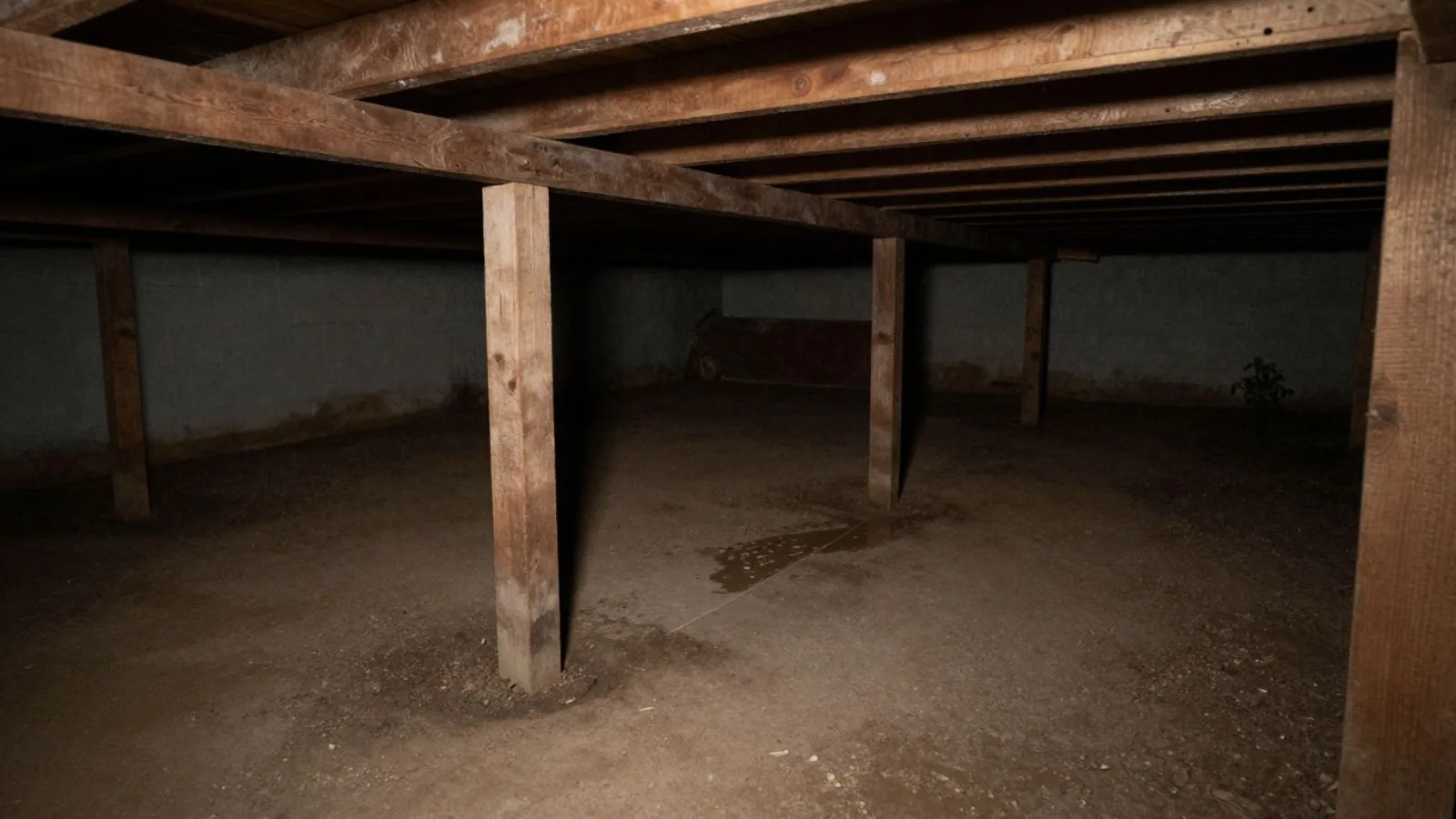
Crawl spaces are among the most common places for hidden mold, since air is still and humid and insulation can hold water. See crawl space water damage for what to look for and how drying works.
If you smell mustiness upstairs with no visible growth, the source may be below.
Humid summers in Humarock and Greenbush
Summer humidity near the water drives mildew on window sills and bathroom walls, as in Humarock beach houses and Greenbush bathrooms near the North River. A dehumidifier and a running fan are cheap defenses.
Find the rest of our coverage on the service area page.
How humidity feeds both
Mold and mildew both need moisture, and indoor humidity above about sixty percent helps them grow. Surfaces that stay cool, like exterior walls and window glass, collect condensation and give spores a place to take hold.
A small, inexpensive hygrometer tells you the humidity in a room. Put one in the basement, the bathroom and any room that smells musty. If readings sit high, a dehumidifier or better ventilation is the first fix.
Why cleaning without drying does not work
People scrub a patch and feel satisfied. A week later it is back. The surface is clean, but the cause is unchanged. Water vapor still reaches the cold surface and condenses, and the spores that remain start over.
Dry the area completely, fix leaks and move air. Cleaning and drying together make the difference.
When a smell is the only clue
Sometimes you smell mustiness and see nothing. That usually means growth in a hidden place, such as behind a wall, under flooring or above a ceiling. Do not tear things apart yourself. A moisture meter and a thermal camera can find the likely spot.
If the smell appears after a leak or storm, say so when you call. It helps us decide where to start.
Fabrics, books and closets
Mildew loves leather, cloth, books and cardboard stored in damp spaces. Pull items away from outside walls, keep closets ventilated and use moisture absorbers in tight spaces. Wash fabrics in hot water if the label allows. Items with heavy growth, or a smell that will not leave, are better replaced than kept.
Kitchens and laundry rooms
Kitchens and laundry rooms see steam and spills. Wipe up splashes, run the range hood while cooking and leave the washer door open between loads so the gasket dries. These small habits stop mildew before it starts.
Quick prevention list
- Run exhaust fans in bathrooms for at least twenty minutes after a shower.
- Fix leaks quickly and dry wet areas within a day or two.
- Keep indoor humidity under about fifty percent with a hygrometer to check.
- Keep furniture a few inches off cold outside walls.
- Clean gutters and make sure water flows away from the foundation.
- Open closet doors in damp seasons so air moves.
Questions homeowners ask
Is mildew less dangerous than mold?
Not necessarily. Both are fungi. The practical difference is that mildew usually sits on surfaces and is easier to clean.
Can I tell mold from mildew by color?
Not reliably. Texture, material and moisture history help more.
Does bleach kill both?
It can lighten surface stains on hard surfaces, but it does not solve moisture and is not advised on porous materials.
When should I call a professional?
Call for larger areas, soaked porous materials, recurring growth or health concerns.
Still have a question about mold vs mildew? Call (781) 621-1785 and ask us directly.