

What clearance testing is
Clearance testing, also called post-remediation verification, is an independent check after mold removal to see whether the work area is clean. It usually includes a visual inspection, a moisture check and sometimes air or surface samples. The goal is a written finding that the area meets an agreed standard.
It is not the same as the mold test someone might do before removal. That one asks whether there is mold and what kind. Clearance asks whether the removal worked.
What Massachusetts requires
Mass.gov states that the Massachusetts Sanitary Code does not require testing to determine excess moisture or mold. It also states that no license is required to perform mold remediation in the state. That means there is no automatic state requirement for clearance after a cleanup.
So why does it come up? Because buyers, lenders, insurers and landlords can ask for it as a condition of a deal. Testing becomes a matter of contract, not law.
Why buyers and lenders ask for it
A buyer who sees mold history on a disclosure or inspection report wants to know it is resolved. A lender that is paying out on a mortgage wants to protect the property. An insurer might ask for proof before writing or renewing a policy.
A clearance letter gives all of them something to rely on. It is a document that says a qualified person looked at the area after the work and found it acceptable.
Who should do the testing
The testing company should be independent from the remediation company. If the same business removes the mold and then signs off on it, there is a conflict of interest. Many buyers and lenders will not accept that.
We do remediation. We do not issue clearance reports on our own work. If you need one, hire a separate indoor air quality professional and ask them to write the scope before the work starts.
What a clearance process looks like
- Agree on the scope before remediation starts, including who will verify and to what standard.
- Remediation is completed and the area is dried.
- The independent professional inspects the area visually and takes moisture readings.
- If sampling is part of the plan, they collect air or surface samples and send them to a lab.
- They issue a written report with findings and photographs.
What sampling can and cannot tell you
Air sampling compares what is in the air indoors with what is outdoors. Results vary with the weather, the time of day and the activity in the room, so one sample is a snapshot. Surface samples show what is on a surface at one spot.
No lab result guarantees a home is free of mold. Spores are everywhere. What matters is whether the indoor profile looks like the outdoor profile and whether the visible and moisture findings are clean.
Prepare the paperwork
Keep records for a sale. Save the original inspection, the scope of work, photographs of the removal, moisture readings, receipts and the clearance report. A tidy file shows a buyer that the problem was found and fixed.
If the cause was a leak, include the plumber's or roofer's invoice. The story is stronger when it includes the fix for the source.
Timing the clearance with a closing
Clearance takes time. Remediation may take days. Drying may take days after that. Lab results can take a few more. Build that into the schedule if a closing date is set.
If you cannot meet the date, tell the other side early. Asking to extend closing is easier than defending a rushed report.
Basements and crawl spaces in sales
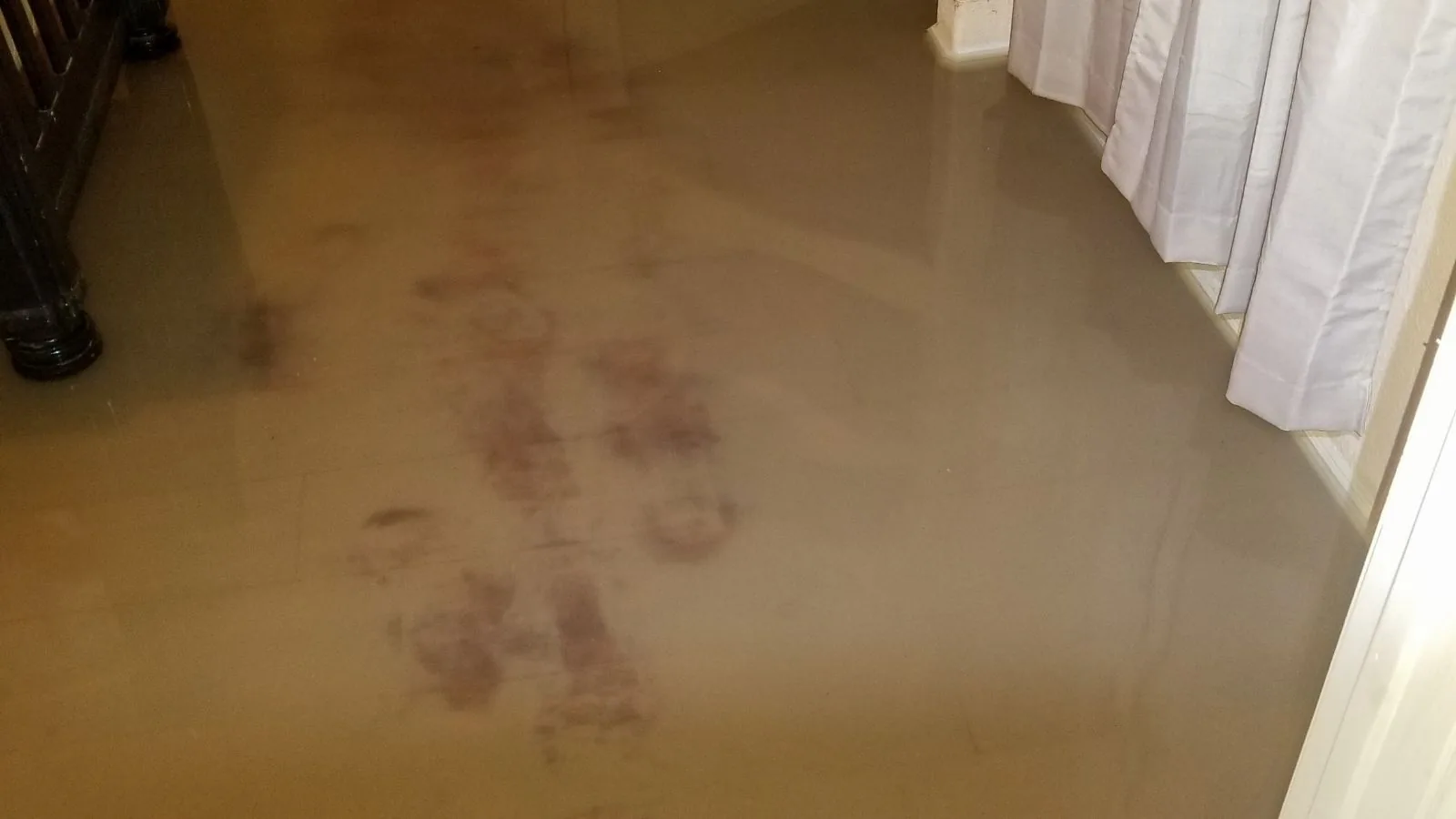
In practice, the most common clearance requests involve basements and crawl spaces. Our pages on basement water damage cleanup and mold remediation explain how the water is dealt with and how the area is dried before verification.
A basement that stays damp will not clear, no matter how clean it looks on the day. Fix drainage first.
Sellers and buyers in North Pembroke and Norwell
In towns with ponds, wells and high water tables, like North Pembroke and Norwell, buyers often ask about basement dampness. Sellers do best when they can show the fix and the verification together.
For help with a particular address, call us or see our homepage.
What to tell a buyer about past mold
Honesty about past water damage protects you. Tell your agent what happened, what was done and what paperwork exists. A buyer who sees a clear story and a clean report is far more comfortable than one who finds a patched wall and no explanation.
Check with your agent or attorney about disclosure requirements for your sale. We are not lawyers, and rules about what must be disclosed are a legal question.
Why the moisture fix matters more than the lab
A passing report on a day when the basement is dry does not mean much if the basement floods in the next storm. Buyers often care more about whether the water source has been controlled than about a single sample.
Show the fix, whether it is a new sump pump, grading, a repaired roof or a replaced pipe. Pair that with the clearance letter, and the story hangs together.
Alternatives when full sampling is not needed
Sometimes a buyer is satisfied with a visual inspection and moisture readings from an independent professional. That is cheaper and faster than lab sampling. Ask your agent what the buyer and lender require, and agree on the standard in writing before work begins so no one argues about it at closing.
Cost and who pays
Independent testing is a separate cost from remediation. Who pays is a matter for the sale contract. Sellers often cover it when a buyer asks, but that is a negotiation. Get quotes for the scope you need before you agree to a number.
Questions to ask the testing professional
- What standard will you use to judge the area?
- Will you provide a written scope before sampling?
- Are you independent of the remediation company?
- What happens if the area does not pass?
- How long until I receive the report?
Questions homeowners ask
Does Massachusetts require mold testing when selling a home?
Mass.gov states the Sanitary Code does not require testing to determine excess moisture or mold. Buyers and lenders may still ask for it.
Can the remediation company do the clearance test?
It is better to use an independent professional so the check is not on your own work.
How long does clearance testing take?
The inspection can be quick, and lab results can take a few days. Plan for a week or more with drying.
What if the area fails clearance?
The remediation crew fixes the problem and the area is retested.
Still have a question about mold clearance testing for a sale or loan? Call (781) 621-1785 and ask us directly.