

Start with the water
The first question is what kind of water touched the item. Under the ANSI/IICRC S500 standard, clean supply water is Category 1, gray water is Category 2 and sewage or flood water is Category 3. Items that touched Category 3 water are held to a much stricter standard than items that touched clean water.
The second question is how long the item stayed wet. Anything wet more than a day or two is a candidate for mold. Time and water type together drive nearly every decision below.
The three piles
Sort items into three groups, and photograph each one before you move it. Keep is for items that were not wet or dried fast. Clean is for hard items that can be washed and disinfected. Discard is for porous items that touched contaminated water or stayed wet too long.
Do not throw anything away that you plan to claim until you have photographed it and checked with your insurer. Keep a list with descriptions and approximate values.
Carpet and pad
Carpet that was wet with clean water and dried within a day or two can often be kept. The pad underneath is usually replaced. Carpet that touched Category 2 may be cleaned, depending on how long it sat. Carpet that touched Category 3 is generally discarded.
See carpet water damage restoration for the professional approach.
Drywall, insulation and wood
- Drywall wet briefly with clean water can sometimes be dried. Swollen or moldy drywall comes out.
- Insulation that was soaked is usually removed.
- Solid wood framing can be cleaned and dried.
- Particleboard and MDF swell and rarely recover.
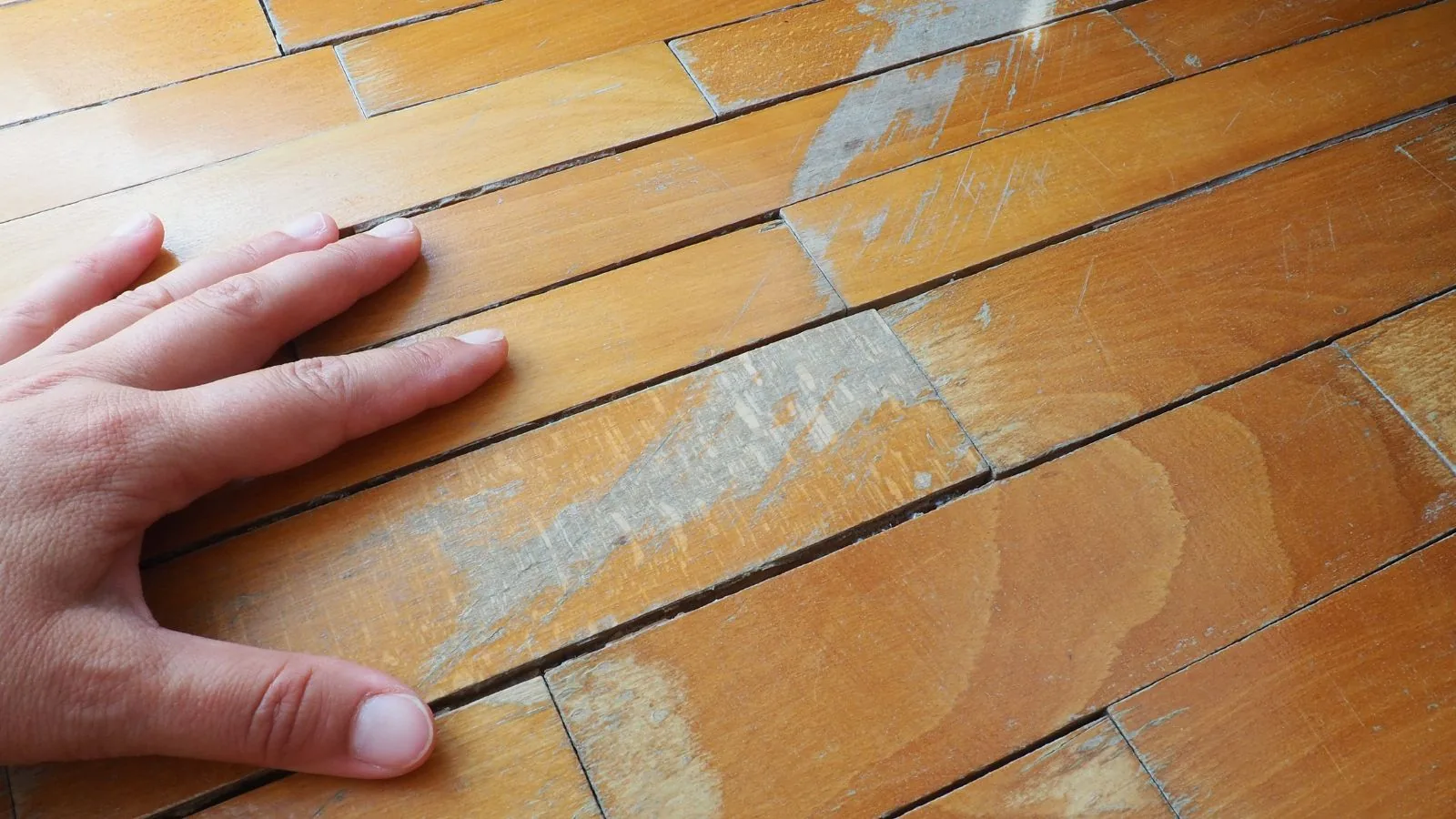
- Hardwood flooring may be saved with slow drying. Contaminated boards are replaced.
Furniture and upholstery
Solid wood furniture can often be dried and cleaned. Furniture made of particleboard, with veneer, may swell and peel. Upholstered pieces that touched clean water may be cleaned and dried quickly. Upholstery that touched sewage or flood water is usually discarded.
Mattresses and pillows that touched contaminated water should go. A mattress that got a small amount of clean water may be dried in sun and fresh air if done fast.
Clothing, linens and soft goods
Washable fabrics can usually be laundered in hot water if they were exposed to clean or gray water. Wash contaminated items separately, with detergent, and consider discarding if odor persists. Dry cleaning may suit delicate items.
Stuffed toys and pillows that touched contaminated water should be discarded.
Papers, photographs and books
Paper can sometimes be saved. If you cannot dry documents or photographs right away, place wax paper between sheets and freeze them flat. Freezing stops mold until you can deal with them. A conservator can help with valuable items.
Books with clay-coated pages stick together when they dry, so freezing them is useful too. Items contaminated by sewage or flood water often cannot be saved.
Electronics and appliances
Do not plug in electronics or appliances that were wet until they are checked. Salt water from a coastal flood corrodes circuits. Refrigerators and freezers that were flooded may need to be inspected or replaced, and the food inside is thrown away.
A licensed electrician or appliance technician can tell you what is safe to use.
Food and medicine
Discard any food that touched flood water or sewage, including cans with damaged seals. Throw out food in a refrigerator that lost power for a long time. Medicines that touched flood water should be replaced. When in doubt, throw it out.
Cans and jars that stayed sealed and undamaged may be cleaned and sanitized, but only if the water was not contaminated.
Hard goods, glass and metal
Non-porous items such as glass, metal, hard plastic and glazed ceramics can usually be washed and disinfected. Wear gloves and wash with detergent and clean water. Dry them fully before storing.
Check wooden handles, rubber seals and electrical parts. They may need replacement even if the main body is fine.
Documenting what you toss
- Photograph each item and the pile it is in.
- Write a short list with item, age and approximate value.
- Keep a sample or a label for large items if your insurer asks.
- Keep receipts for replacements.
- Tell your insurer before disposing of large items.
Heirlooms, art and sentimental items
Some things matter more than their price. If a wet item is irreplaceable, do not throw it away and do not try harsh cleaning. Dry it gently, keep it out of direct sun and heat, and ask a conservator or a specialist about options.
Photographs, framed art, quilts and antique furniture each have their own needs. A professional can often save more than you expect, especially if you act within a day or two.
Why speed changes what you can save
Most of the choices above get harder with time. Clean water becomes dirty water as it sits. Damp fabric grows mold in a day or two. A wooden chair that would have dried fine on day one may warp and discolor by day five.
If you cannot sort everything right away, move wet items to a dry place, spread them out so air reaches them and deal with the most valuable and most perishable first.
Cleaning products and safe handling
Wash hard items with detergent and clean water first, then disinfect with a product labeled for the surface. Wear gloves and eye protection and ventilate the room. Never mix cleaning products. Rinse food contact surfaces well and let everything dry fully before you put it away.
If an item smells after cleaning, the odor is likely trapped in a porous part. Replace it rather than fighting the smell for weeks.
A note on basements and storage
Cardboard boxes at floor level are the first thing lost in a basement flood. See basement water damage cleanup for the structure side. Plastic bins fare better than cardboard.
In low lying areas like Humarock and Hanover, store keepsakes on shelves above floor level. Visit our homepage for more on how we help.
Questions homeowners ask
Can I keep a mattress that got wet?
Only if it got a small amount of clean water and can be dried quickly. Contaminated mattresses should be discarded.
Should I throw out carpet after a flood?
Carpet that touched flood water or sewage is generally discarded. Carpet wet by clean water may be dried or cleaned.
Can wet photographs be saved?
Often, if you freeze them flat quickly and have them dried or conserved later.
What if my insurer has not seen the items yet?
Photograph them and ask before you dispose of them.
Still have a question about what to keep, clean or throw away? Call (781) 621-1785 and ask us directly.