

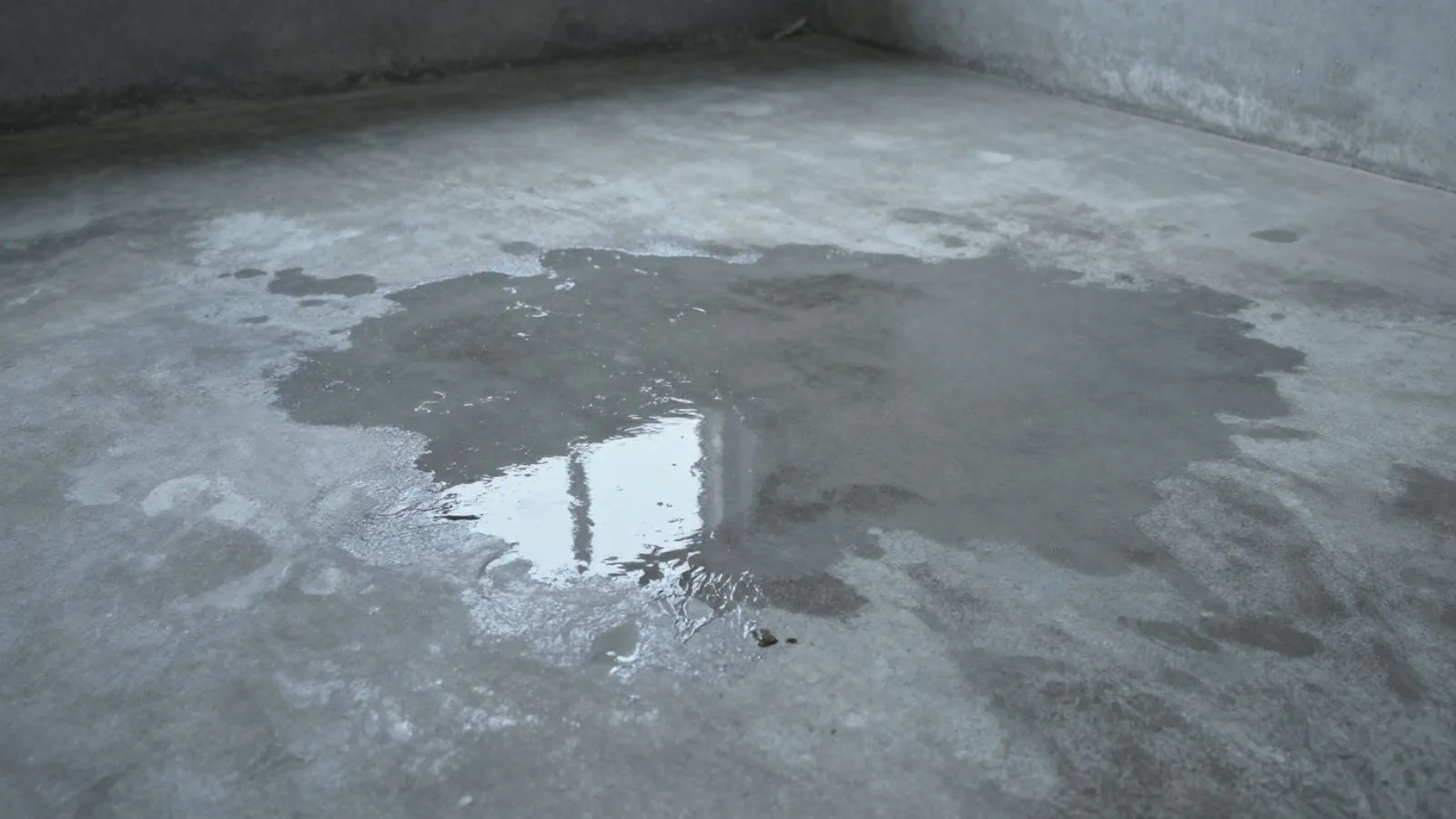
Why hidden leaks are so costly
A burst pipe announces itself. A slow leak does not. It drips inside a wall, under a slab or above a ceiling, and damage grows quietly for weeks or months. By the time a stain appears, framing may be wet and mold may have started.
The Massachusetts Division of Insurance reports that 48.6 percent of homeowner claims in 2024 were for non-flood water and freezing. Water damage is the most common reason for a claim, and many of those losses begin with a leak that went unnoticed.
Start with the water bill
Compare your last few bills with the same months in prior years. If use rose with no change in household habits, water may be going somewhere it should not. Seasonal changes such as irrigation or a guest staying can explain some increases, but not all.
Look for a steady rise over several bills, not just one spike. A steady climb often points to a leak that is growing. Keep copies of the bills, since your insurer may ask for them later.
The meter test
- Turn off every faucet, appliance and fixture that uses water. Check that the ice maker is not filling and the washer is idle.
- Find the water meter. It is usually in the basement, a utility room or an outdoor box near the street.
- Note the reading, and look at the small dial or triangle that spins when water moves.
- Wait an hour or two without using any water.
- Check the meter again. If the reading changed or the dial is moving, water is leaking somewhere.
If the meter moves, close the main valve at the house and check again. If it still moves, the leak is between the meter and your house. If it stops, the leak is inside.
Toilets are the most common quiet leak
A toilet that runs or refills at odd times is a frequent culprit. To check, put a few drops of food coloring in the tank and wait fifteen minutes without flushing. If color shows in the bowl, the flapper is leaking.
Faucets, shower valves and outdoor spigots can also drip. Look under sinks with a flashlight and a dry paper towel. Wet paper means a leak.
Signs inside the house
- Stains on a ceiling or wall that grow or darken.
- Paint that bubbles, peels or cracks.
- Musty smells with no obvious cause.
- Warm spots on a floor, which can mean a hot water line leak.
- Floors that feel soft, cup or buckle.
- The sound of running or hissing water when everything is off.
- Mold or mildew growth in a corner or on a ceiling.
- Low water pressure that appears suddenly.
Signs outside
Check your yard for wet or sunken patches, an unusually green strip of grass or soggy soil near the foundation when the weather has been dry. Look at the foundation for dark stains, cracks and efflorescence, a white powdery deposit left by evaporating water.
A main line leak under a yard can lift soil and wash out ground. If you see a wet spot above where the line runs, call the water utility or a plumber.
Where water hides
Leaks tend to start at joints, valves and connections. Check under sinks, behind toilets, at the back of dishwashers and washing machines, around the water heater and near ice maker lines. Bathrooms above living rooms are a classic source of ceiling stains.
Also look in attics for stains on the underside of the roof deck and at the base of vent pipes. Check that the air conditioner drain line is clear. Our slab leak page covers leaks under the floor, which are harder to find.
How professionals find a leak
Plumbers use pressure tests, listening devices and cameras to find leaks in pipes. Restoration crews use moisture meters and thermal imaging cameras to find wet materials and trace them back toward a source. The two roles work together.
We find where water has been and how far it went. A plumber finds the failed pipe and repairs it. If you suspect a leak, call a plumber, and call us once you know there is damage.
What to do once you find it
- Shut off the water to the leaking fixture or the main.
- Photograph the leak and the damage.
- Call a plumber to repair the source.
- Call us for drying if materials are wet.
- Contact your insurer if the damage is significant.
Cold weather leaks and frozen lines
In winter, a pipe that froze and cracked can leak as soon as it thaws. If you see a trickle, a damp wall or a stain in a cold room, check outside walls and unheated areas. See frozen pipe water damage for steps to take.
Marshfield gets about 59 inches of snow a year, according to the town's mitigation plan, so winter checks are worth doing.
A weekly five minute leak walk
Once a week, walk through the house with a flashlight. Look under sinks, behind toilets, around the water heater and at the ceiling below any bathroom. Touch the walls near plumbing. Sniff for mustiness. It takes five minutes and can catch a leak weeks before a stain forms.
Keep a record on your phone of what looks normal. A comparison photo makes a change easier to spot.
When to bring in a plumber and when to call us
If you cannot find the source after the meter test, a plumber with leak detection tools is the right call. If you can already see damage, such as a wet wall or a soft floor, call us as well so drying can start while the repair is scheduled. The two jobs can run side by side.
Leaks in Humarock and North Pembroke
Seasonal homes in Humarock can sit with a slow leak for weeks before anyone visits. Homes in North Pembroke on private wells can mask a leak because the pump simply runs more. Listen for a pump that cycles often.
For more on where we work, see our service area page.
Questions homeowners ask
How do I know if I have a leak behind a wall?
Look for stains, bubbling paint, a musty smell or a rising water bill. A moisture meter confirms it.
Can a leak be under the slab?
Yes. Warm spots on a floor, the sound of running water and a high bill can signal one. A plumber uses specialized tools to find it.
Does homeowners insurance cover a hidden leak?
It depends on the policy and whether the damage was sudden or gradual. Check your policy and ask your insurer.
Should I turn off the water at the main if I suspect a leak?
Yes, if it is safe to do so. It stops the leak while you investigate.
Still have a question about finding a hidden water leak? Call (781) 621-1785 and ask us directly.